Where is Qutb Minar?
Qutb Minar is in Delhi, India, in Asia. The game uses the reference point shown below: 28.5244°, 77.1855°. A guess within 25 km earns the full distance score before any hint deduction.
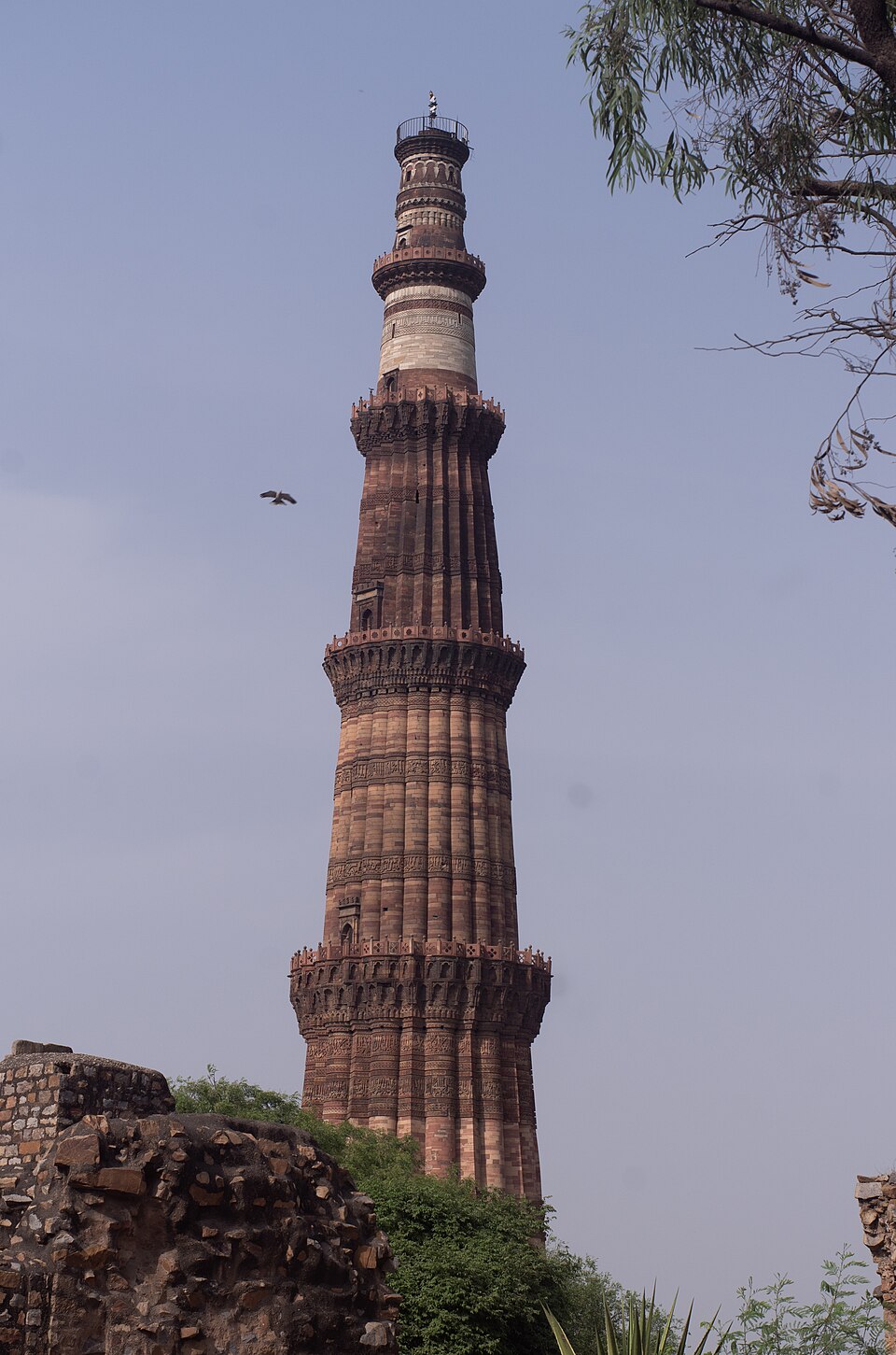
The marker identifies the Qutb Minar tower within the Qutb archaeological complex in southern Delhi.
Map loading. Coordinates: 28.5244°, 77.1855°.
The story behind the landmark
The minaret was begun under Qutb al-Din Aibak in the late twelfth century and enlarged by his successors. Delhi Tourism identifies successive stages added by Iltutmish and later repairs under other rulers. The tower therefore records several building campaigns rather than one uninterrupted construction project.
UNESCO describes a 72.5-metre tower, broad at the base and narrow at the summit, with alternating rounded and angular fluting. The surrounding property contains mosques, tombs and the Alai Darwaza gateway. Understanding the wider complex helps explain why the tower appears among low ruins and carved stone structures.
How to recognise it
- A deeply fluted red and buff stone shaft
- Balcony rings dividing the tower into stacked stages
- A tower that narrows sharply from its broad base
Look twice: a useful comparison
Do not confuse the minaret with a modern television tower simply because it is tall. Its fluted masonry, carved inscription bands and balcony rings indicate a medieval structure. For location, keep southern Delhi separate from Agra, where the Taj Mahal stands.
A detail worth remembering
The tower's inscriptions record repairs as well as construction. That makes the monument a visible record of successive rulers caring for, altering and reusing an existing landmark, rather than a building frozen at the date of its first foundation.