Give each photograph a reason to stay in memory
A short, accurate story can connect a monument’s shape with its place. You do not need to memorize every construction date to use history in a guessing game. Start with one event or purpose, attach it to the building’s name and then check that you can still find the location on a map.
These five stories offer different memory hooks: an exhibition, a gift, a rescue, a vision of the future and an unusual design. The historical facts come from the organizations that manage or document the landmarks. The memory exercises are suggestions you can adapt to your own way of learning.
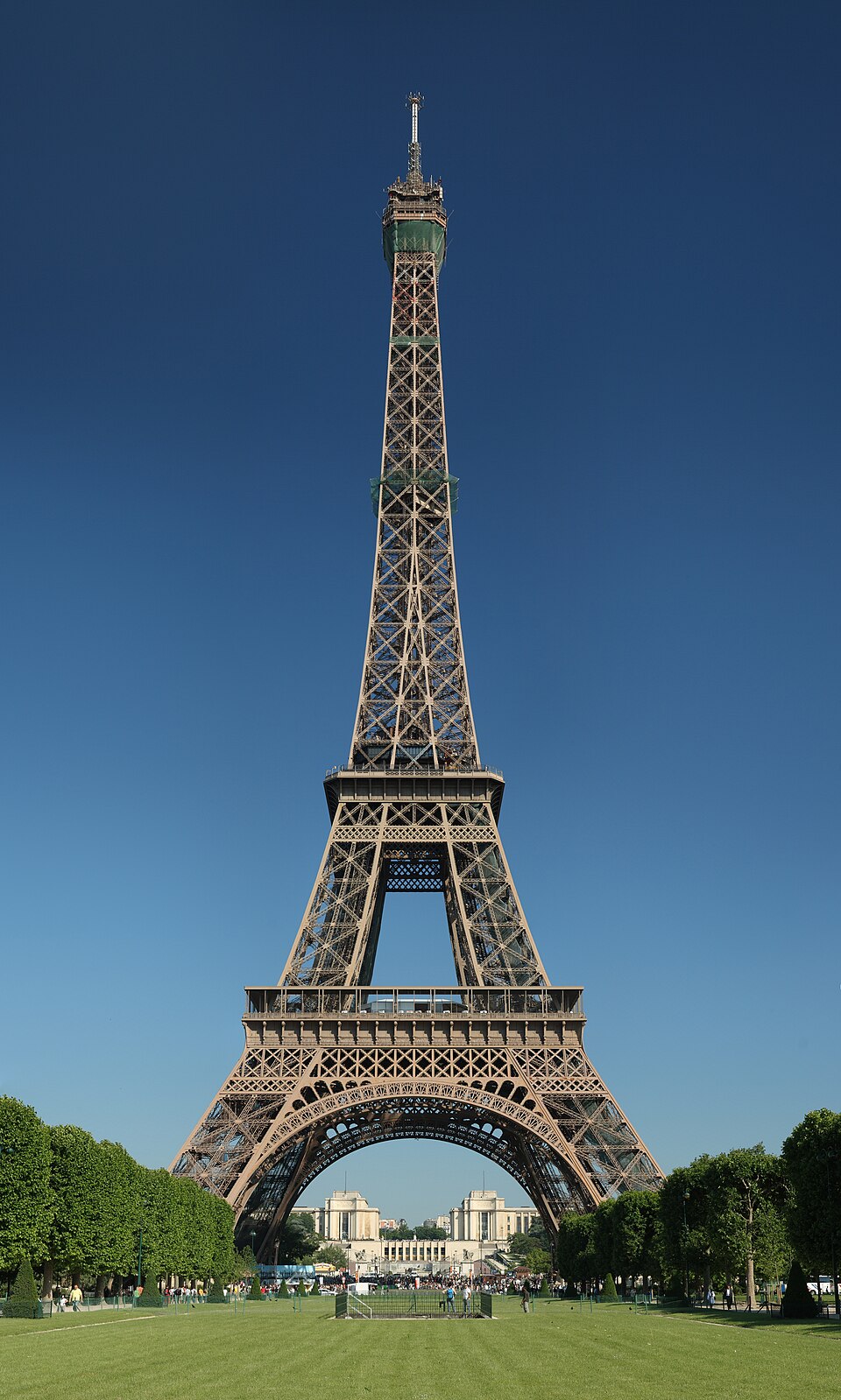
Eiffel Tower: an exhibition becomes a city symbol
The Eiffel Tower was built for the 1889 Exposition Universelle in Paris. Its official history places the tower within that world’s fair, rather than describing it as a structure that appeared independently of a larger event. Connecting the lattice silhouette with “Paris exhibition” gives you both a visual clue and a city anchor.
Try recalling the story before you open the Eiffel Tower profile. What is the structure, which city does it belong to, and what occasion prompted it? Keep those three answers together. A brief connection you can retrieve during a round is more useful than a long chronology that you cannot remember.
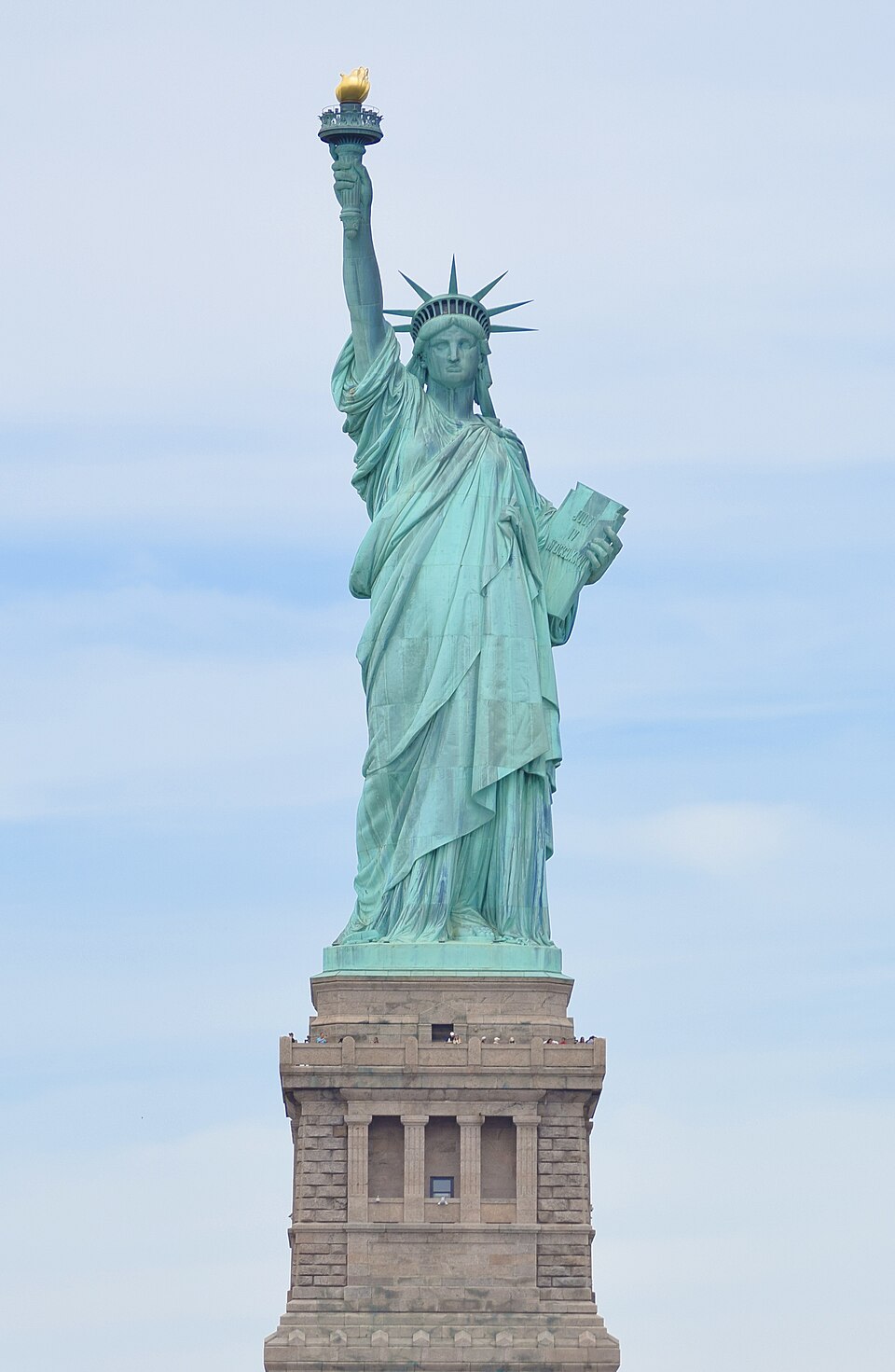
Statue of Liberty: a gift that changed colour
The Statue of Liberty was a gift from the people of France to the United States. The National Park Service explains that its exterior is copper and that the familiar green surface formed through natural oxidation. The green figure you recognize today was not simply built from a green material.
Use the colour story to remember the material, and the gift story to remember the cross-Atlantic connection. Then return to the present photograph: crown, torch, pedestal and New York Harbor. A connection with France does not move the game’s New York landmark to Paris; historical origin and current location are different facts.
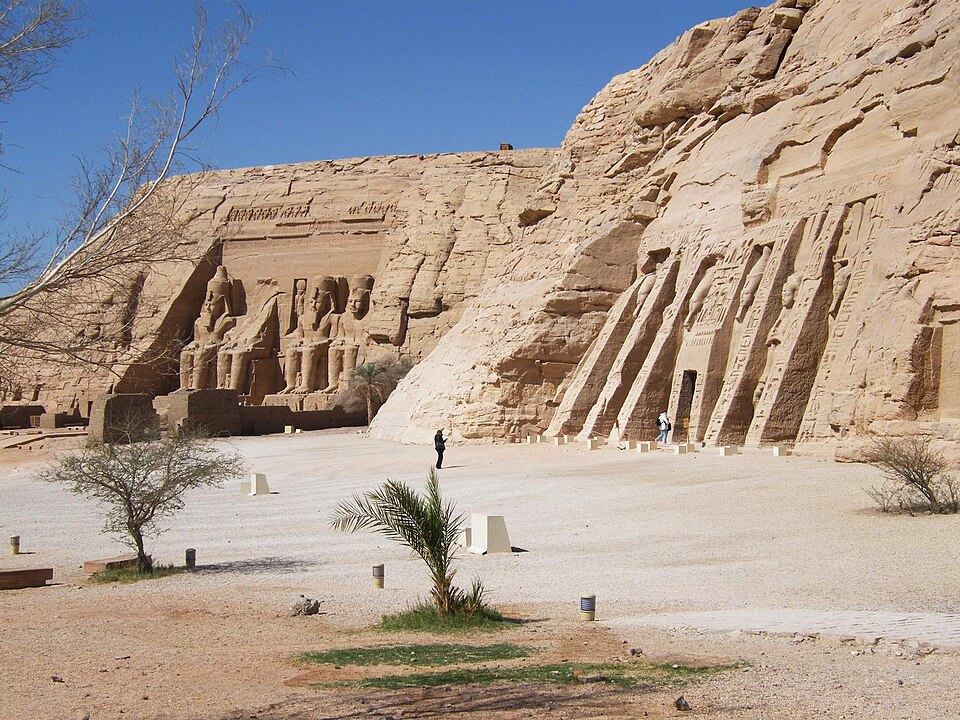
Abu Simbel: an ancient site rescued from water
Abu Simbel’s temples were moved during the international UNESCO campaign to save Nubian monuments from flooding associated with the Nile and Lake Nasser. The rescue is part of the site’s modern history. The colossal seated figures at the entrance still provide a powerful recognition clue.
For a memory exercise, connect three ideas: monumental figures, rescue from rising water and southern Egypt. This helps separate Abu Simbel from the Giza and Luxor entries in the collection. When you inspect the map, give it its own southern anchor instead of assuming that every famous Egyptian monument is beside Cairo.
Space Needle: Seattle looks toward the future
The Space Needle opened on the first day of Seattle’s 1962 World’s Fair. The tower’s own history connects it with the fair’s twenty-first-century theme. Its broad observation top and narrow supporting structure make a useful visual partner for that future-focused origin.
Try comparing it with another tower in the collection, such as the Eiffel Tower or Tokyo Tower. All three reach upward, but their silhouettes and city anchors differ. Write “Space Needle—Seattle—1962 fair” on a card, then test the image without the text. Add more detail only after that basic connection is secure.
Sydney Opera House: a distinctive design at the harbour
The Sydney Opera House opened in 1973 and was designed by Danish architect Jørn Utzon. The building’s own history explains how its shell-shaped roofs developed into their final form. The harbour setting makes the whole view distinctive, rather than merely providing a decorative background.
Use the roof arrangement to recall the building and the waterside position to recall Sydney. Then compare it with Sydney Harbour Bridge so that two nearby icons remain separate in your memory. To make a story useful, end every reading session with one question: could I identify this structure and locate it without reopening the article?
Try it while it is fresh.
Take five landmarks and turn these ideas into a little practice.