Similar shapes can lead to different places
A famous outline is powerful evidence, but it does not always identify a unique location. A replica copies a recognizable monument. An inspired building borrows an idea while developing its own identity. Those are different relationships, and separating them makes both your guesses and your understanding of architecture more accurate.
In LandmarkGuessr, the answer belongs to the specific photographed landmark listed in the collection. When learning outside the game, compare the surrounding scene as carefully as the monument itself. A photo of a familiar structure in an unfamiliar setting is a reason to investigate, rather than a reason to force the setting into your first guess.
Paris and Las Vegas: an actual replica
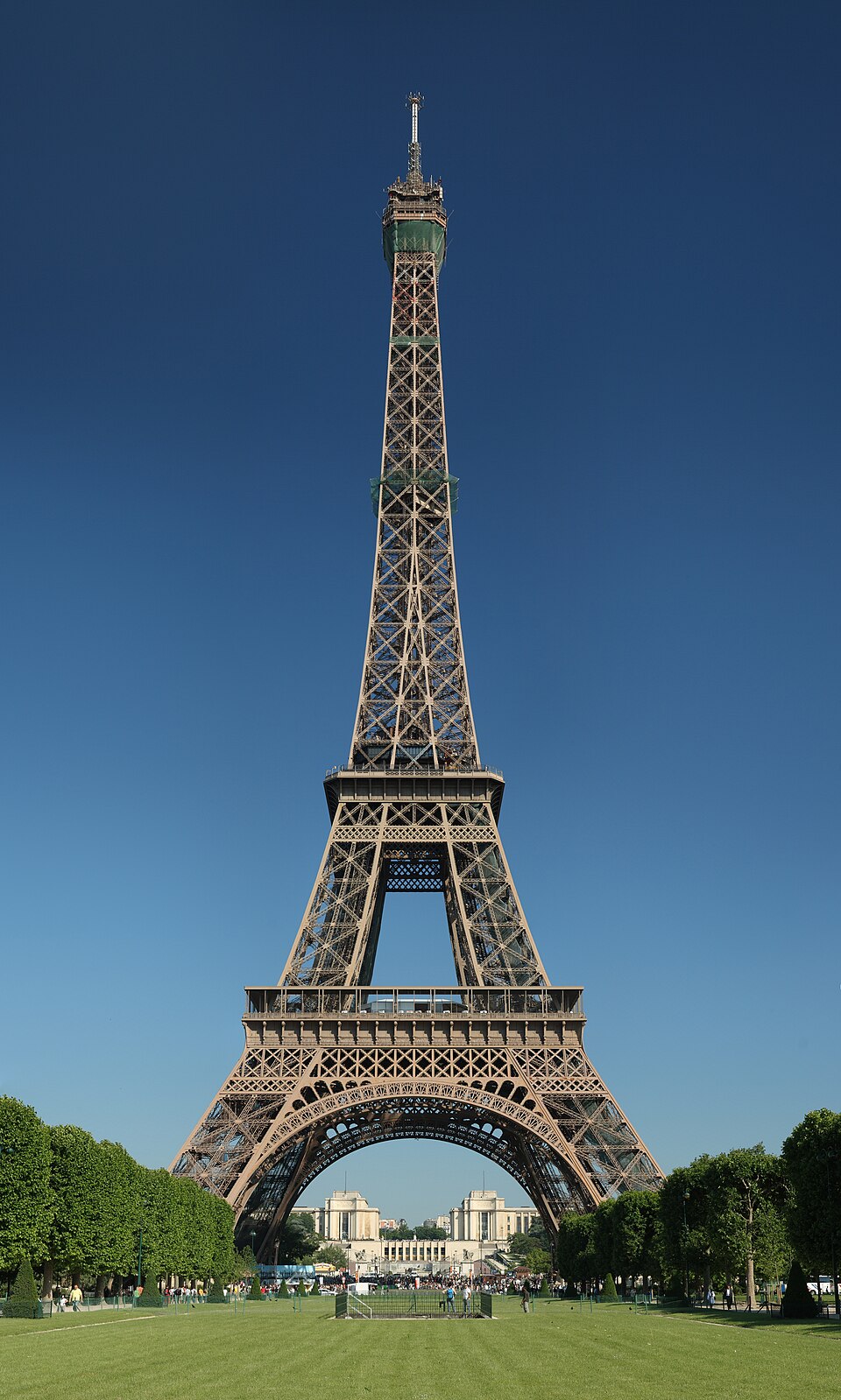
The Eiffel Tower at Paris Las Vegas is a half-scale replica of the Paris landmark, according to the resort’s official fact sheet. It is an external comparison example in this guide; the Las Vegas tower is not included in our current game collection. Our Eiffel Tower entry refers to the original in Paris, France.
To compare the photographs, move your attention away from the top of the tower. What buildings stand at its base? Do you see a landscaped urban space or a resort and a major road? Scale is difficult to judge without a familiar reference, so do not try to estimate height from an isolated crop. The wider setting is often a more practical check.
Tokyo Tower: inspiration with its own identity
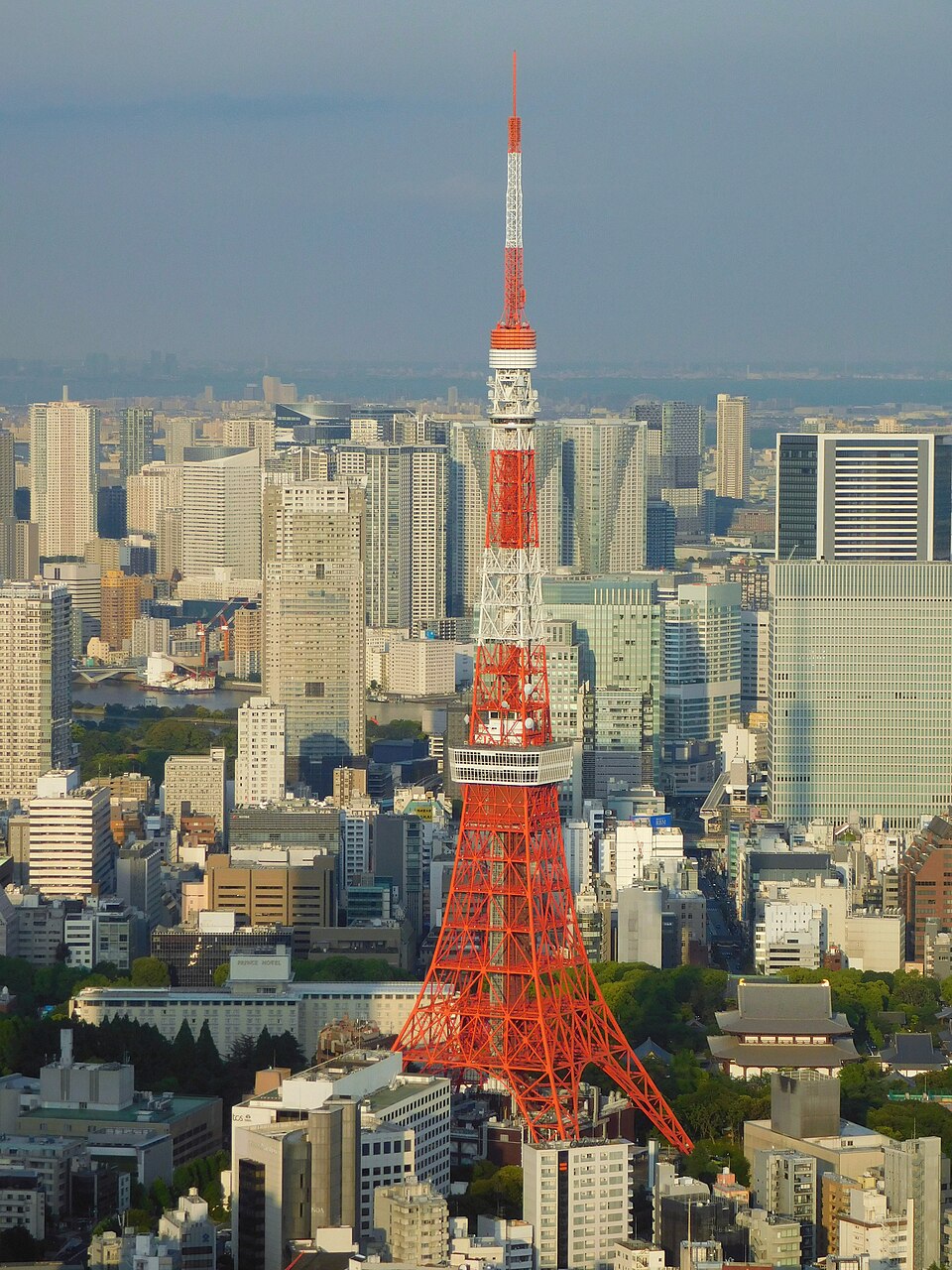
Tokyo’s official travel guide describes Tokyo Tower as inspired by the Eiffel Tower. It is not an exact copy. Its orange-and-white paint is a particularly useful visual difference, and the tower’s operator explains that those colours are specified for aviation visibility. Both Tokyo Tower and the Paris Eiffel Tower have their own entries in our collection.
Look at several photographs of each before relying on paint alone. Night lighting, strong sunlight or a very close crop may hide a familiar colour pattern. Use the proportions and surrounding buildings as additional evidence. The goal is to recognize a combination of features, not to turn one colour into a rule that always works.
Another real example: Liberty in Odaiba
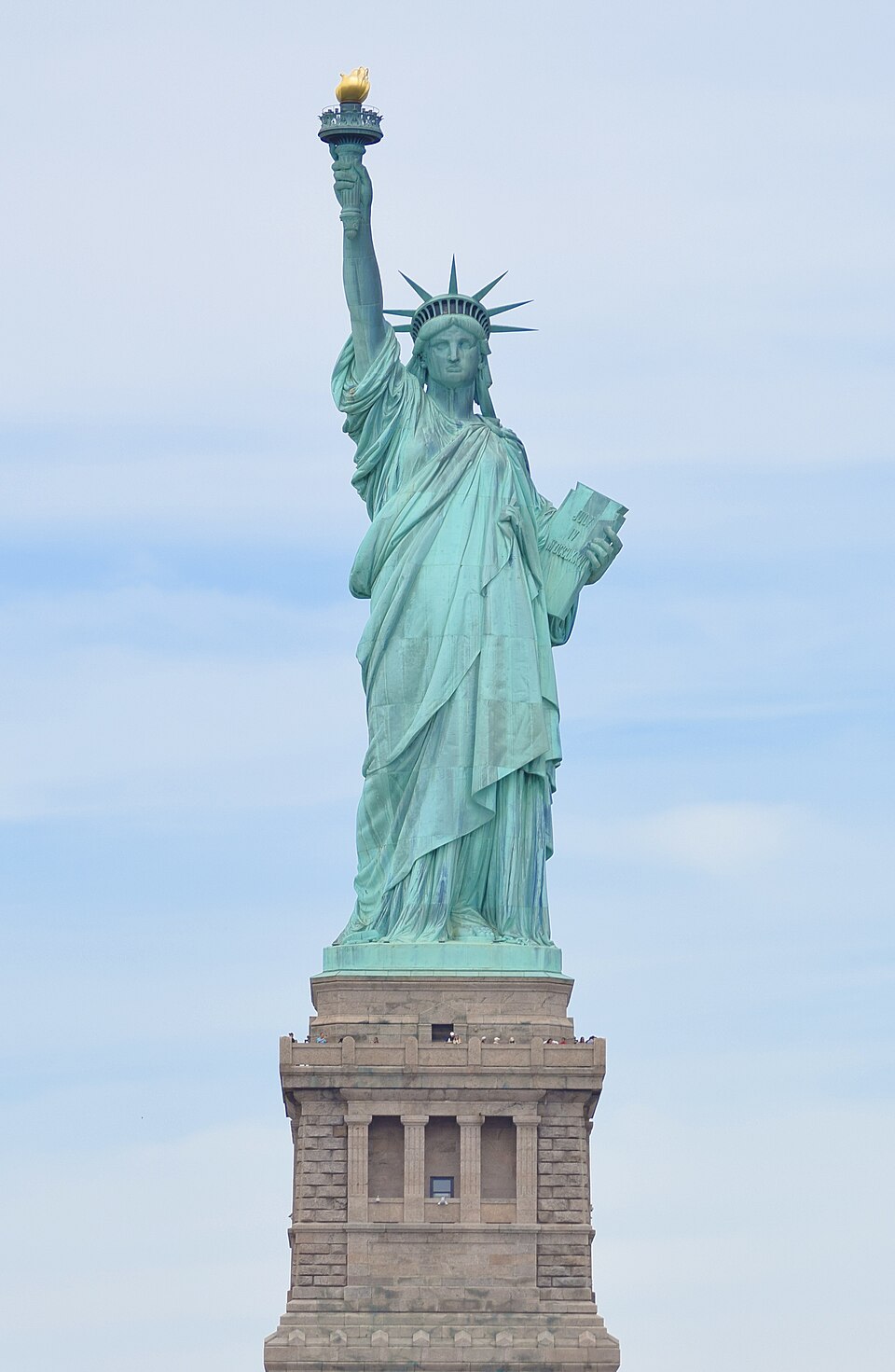
Odaiba in Tokyo has a small Statue of Liberty replica, documented by Tokyo’s official tourism site. This is another external example, not a current LandmarkGuessr round. Our Statue of Liberty entry represents the New York monument. The example shows why a raised torch and a spiked crown can identify a design without proving the city.
Compare what lies behind the statue, the apparent size of nearby objects and the shape of the waterfront. Be careful with apparent scale: camera position can make a small object look large. Use several contextual details together instead of assuming that a recognisable statue must stand in its best-known location.
Architectural references are not replicas
Melbourne’s Shrine of Remembrance offers a different relationship. The Shrine’s official history identifies the Mausoleum at Halicarnassus as inspiration for its external outline. The Melbourne memorial is not the ancient monument relocated or recreated as a complete copy. Architectural ideas can travel while a building’s purpose, material and setting remain its own.
When reading a monument profile, pay attention to verbs. “Inspired by,” “a replica of” and “constructed by” explain different things. Knowing which relationship applies helps you avoid flattening a building’s history into a visual resemblance. It also gives you a useful question to ask when another unfamiliar landmark looks surprisingly familiar.
Build a two-sided comparison card
Choose the Eiffel Tower and Tokyo Tower profiles. Put their names on one side of a note and two differences on the other. Include one structural or visual feature and one location clue. Test yourself first with a full photograph, then with a tighter crop. Keep the distinction you can explain most clearly.
For replicas outside the collection, label your notes with the actual city. Do not add those locations to a current game answer simply because you have learned they exist. The game’s reveal identifies the photographed subject; your wider research teaches you how much a famous design can travel.
- Identify the structure shown, then check its setting.
- Distinguish an exact replica from a building inspired by an earlier one.
- Keep external examples separate from the current game collection.
Try it while it is fresh.
Take five landmarks and turn these ideas into a little practice.