Where is Machu Picchu?
Machu Picchu is in Cusco Region, Peru, in South America. The game uses the reference point shown below: -13.1631°, -72.5450°. A guess within 25 km earns the full distance score before any hint deduction.
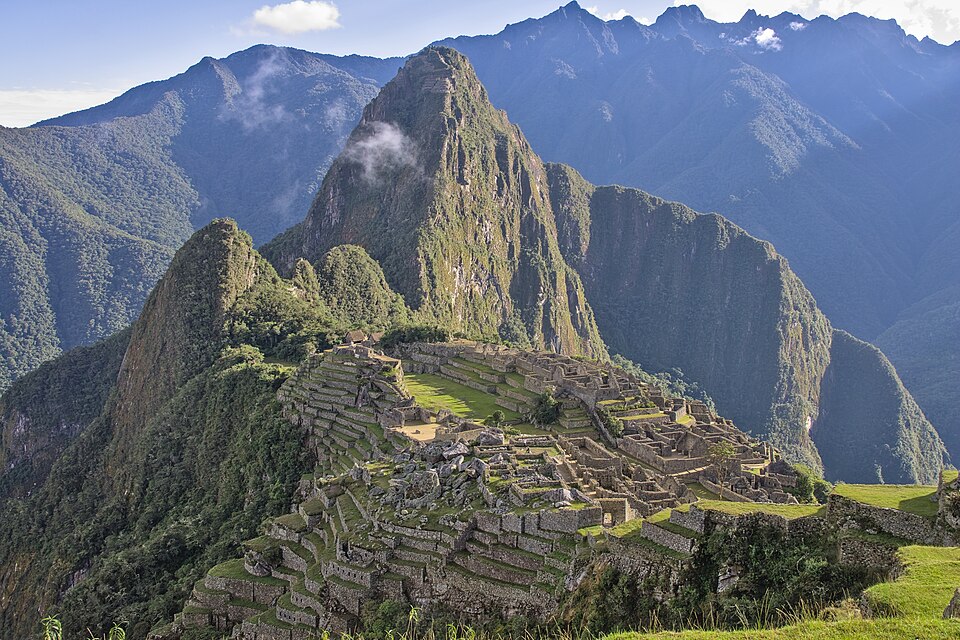
The marker represents the archaeological citadel of Machu Picchu. The World Heritage sanctuary includes a much larger surrounding mountain landscape.
Map loading. Coordinates: -13.1631°, -72.5450°.
The story behind the landmark
The settlement was built in the fifteenth century during the expansion of the Inca Empire. Peru's tourism authority associates its planning with Pachacutec. It contains distinct agricultural and built areas, including the Temple of the Sun, and combines ceremonial spaces with the practical systems required for life on a steep mountain ridge.
UNESCO describes the site's close relationship with its natural setting, including terraces, water channels and connecting paths. Its exact functions continue to be researched. The complex became widely known internationally in 1911; describing that event as its first discovery would overlook the knowledge of people already living in the region.
How to recognise it
- Stone buildings and stepped terraces spread along a narrow green ridge
- A steep pointed mountain behind the most familiar panoramic view
- A dramatic mountain setting above deeply cut surrounding valleys
Look twice: a useful comparison
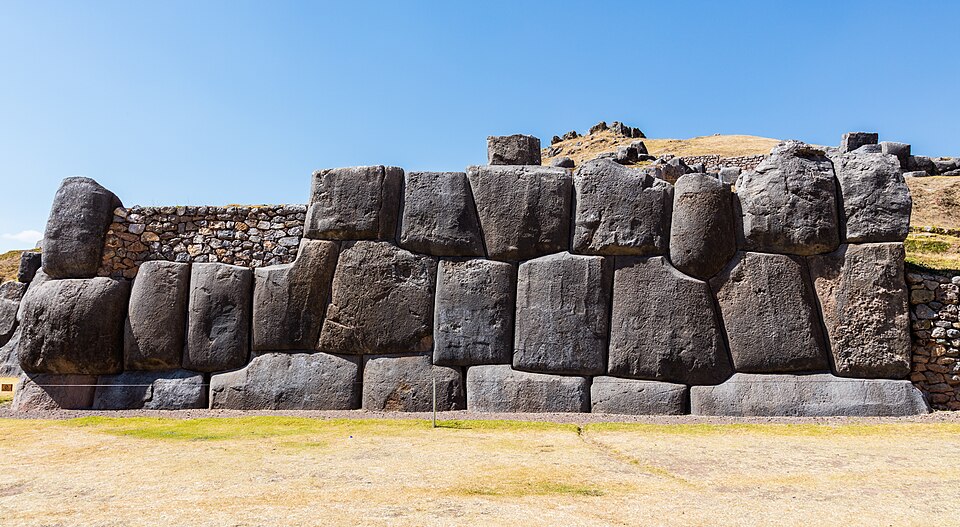
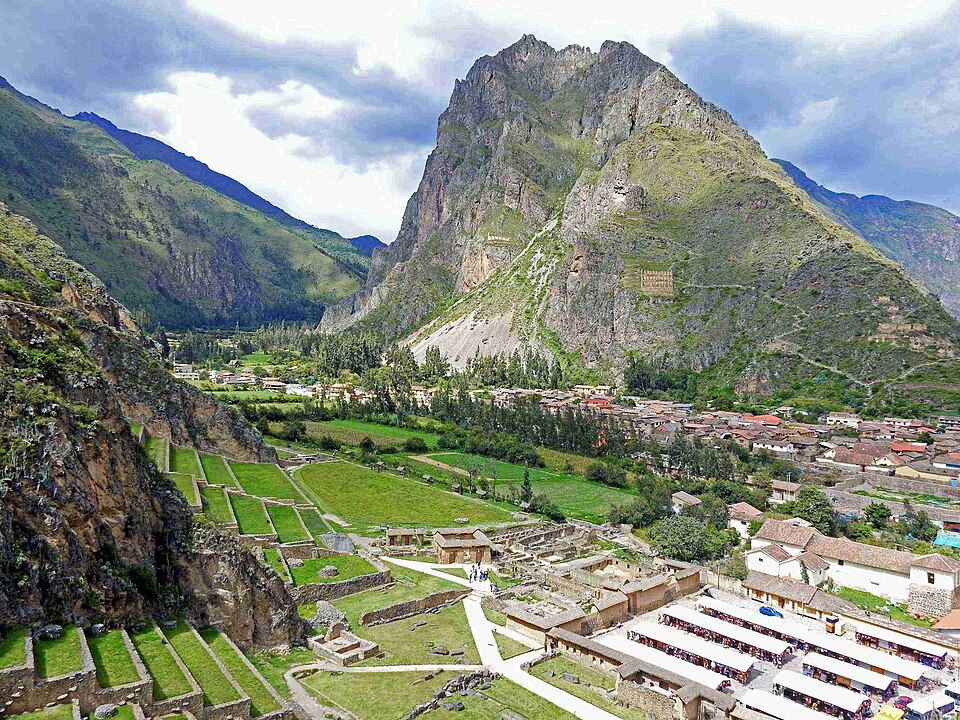
Other Inca sites also use terraces and finely fitted stonework. Machu Picchu's ridge-top composition is the stronger clue. Ollantaytambo's terraces climb a broad hillside beside a living town, while Sacsayhuamán is known for massive zigzag walls near Cusco.
A detail worth remembering
The site's story is more complex than a single 'lost city' label. Archaeological questions remain about the role of its buildings, while its terrace system and water infrastructure show deliberate planning for the difficult terrain that makes the view so memorable.